

Flow of Funds
How funds move through Nest vaults from minting to redemption.
Flow of Funds
This diagram outlines the full lifecycle—from user deposit to yield generation and redemption—showing every participant involved.
Lifecycle Overview
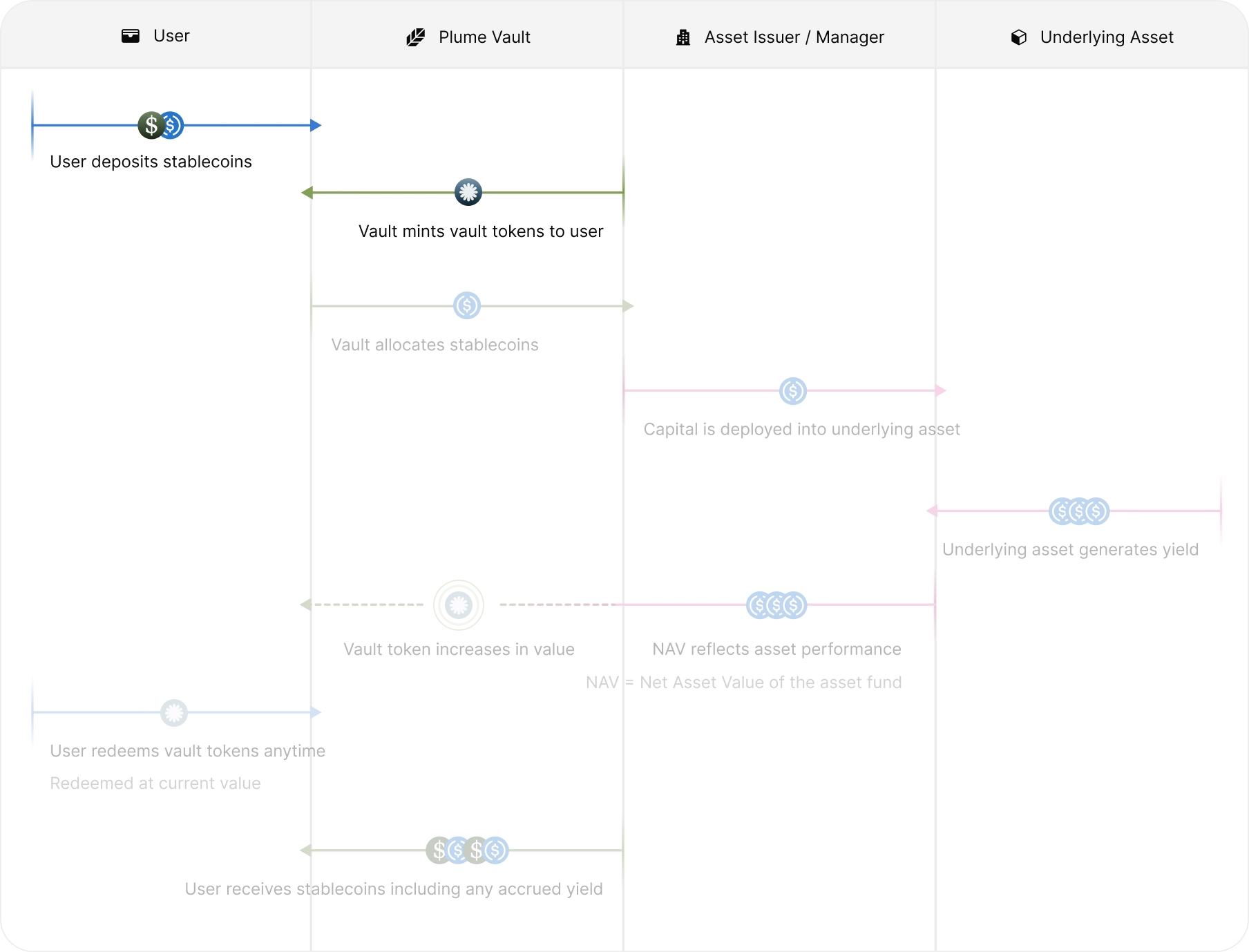
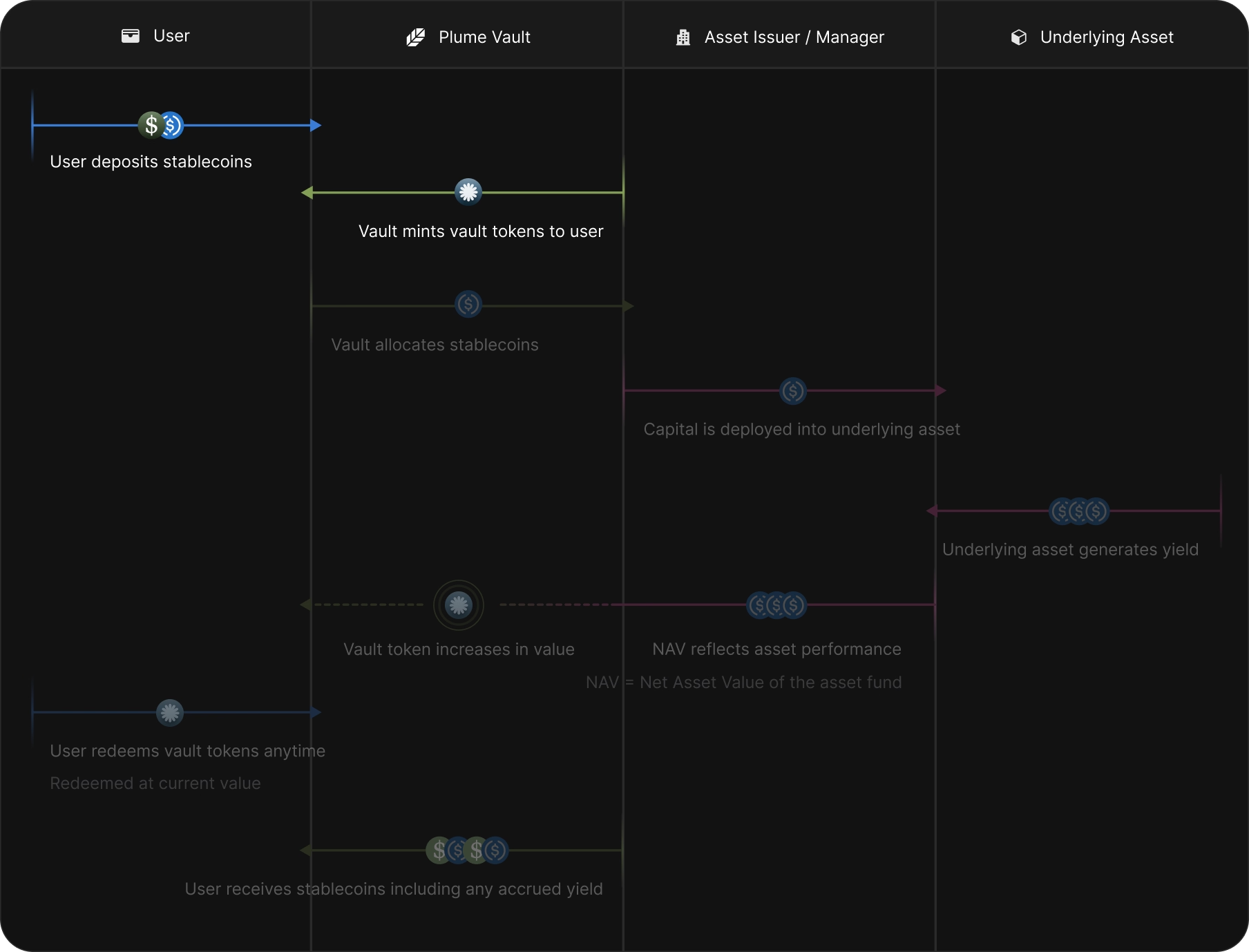
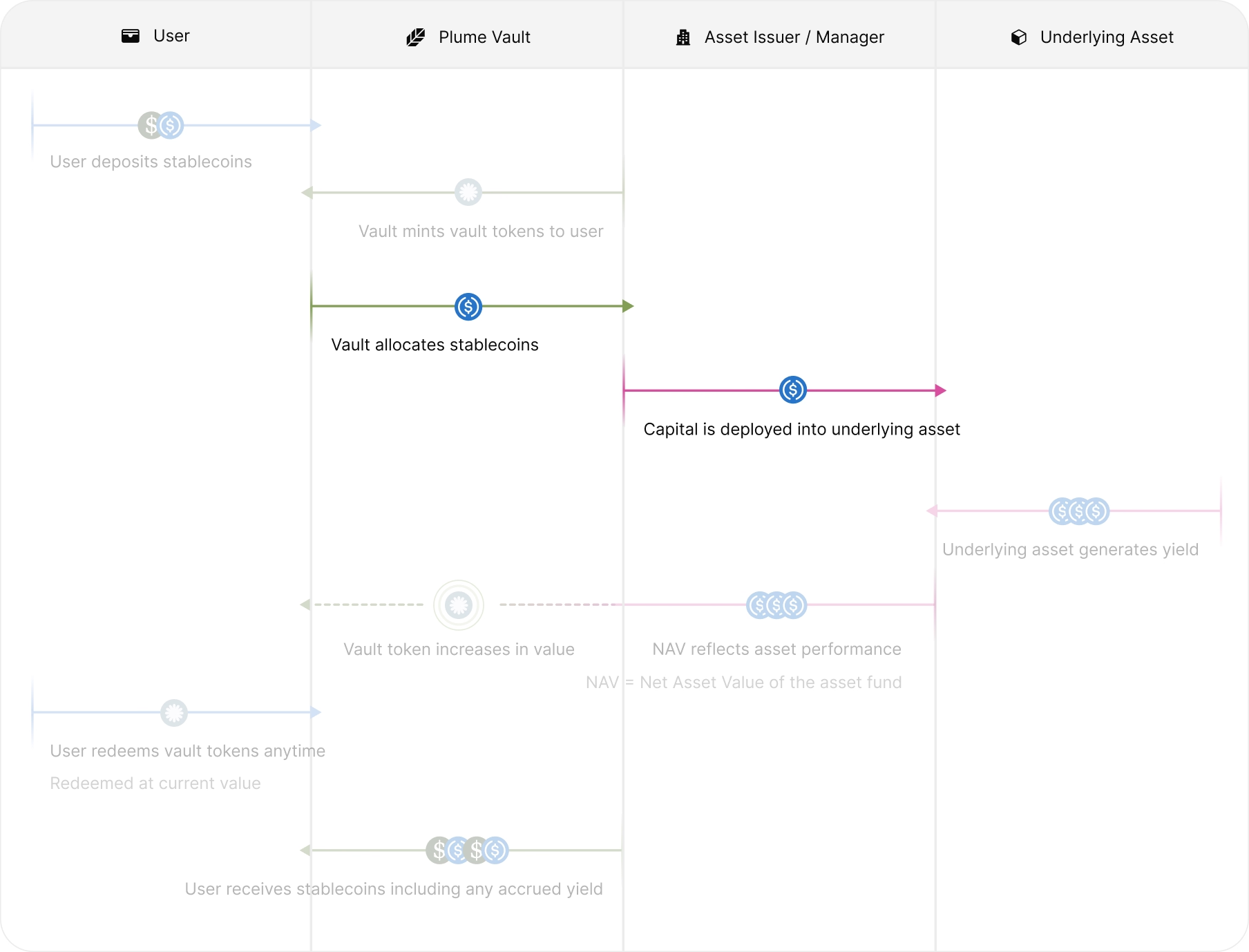
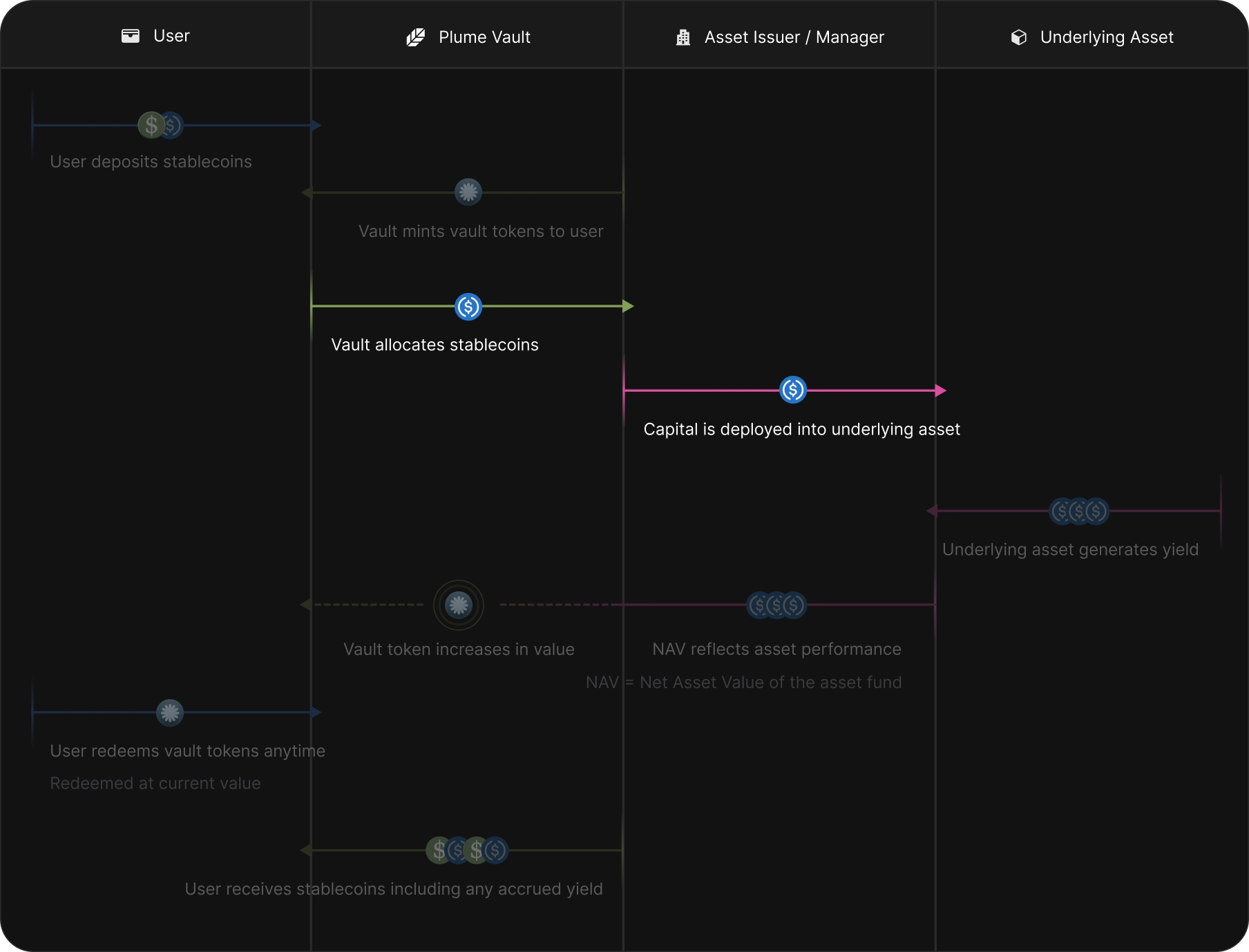
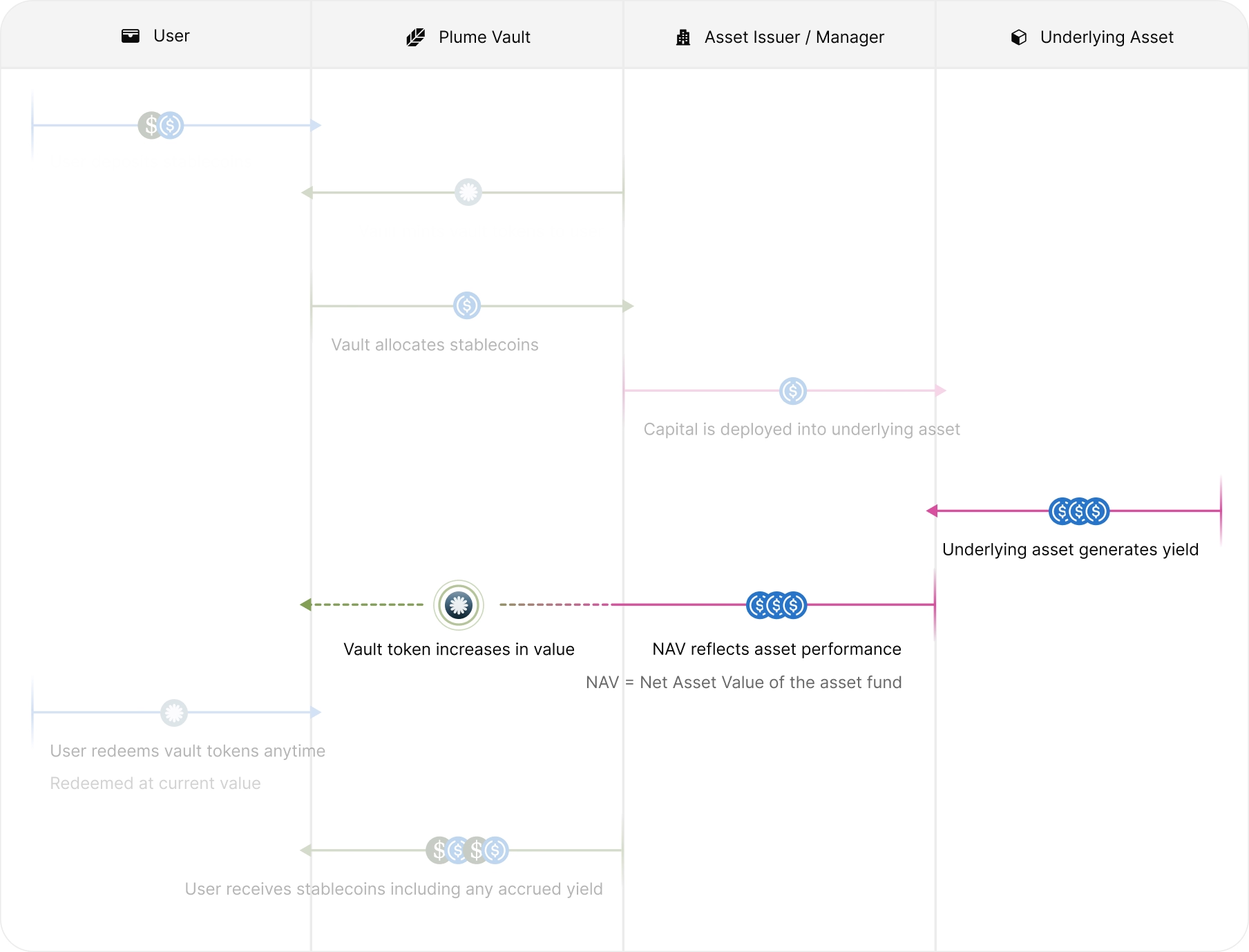
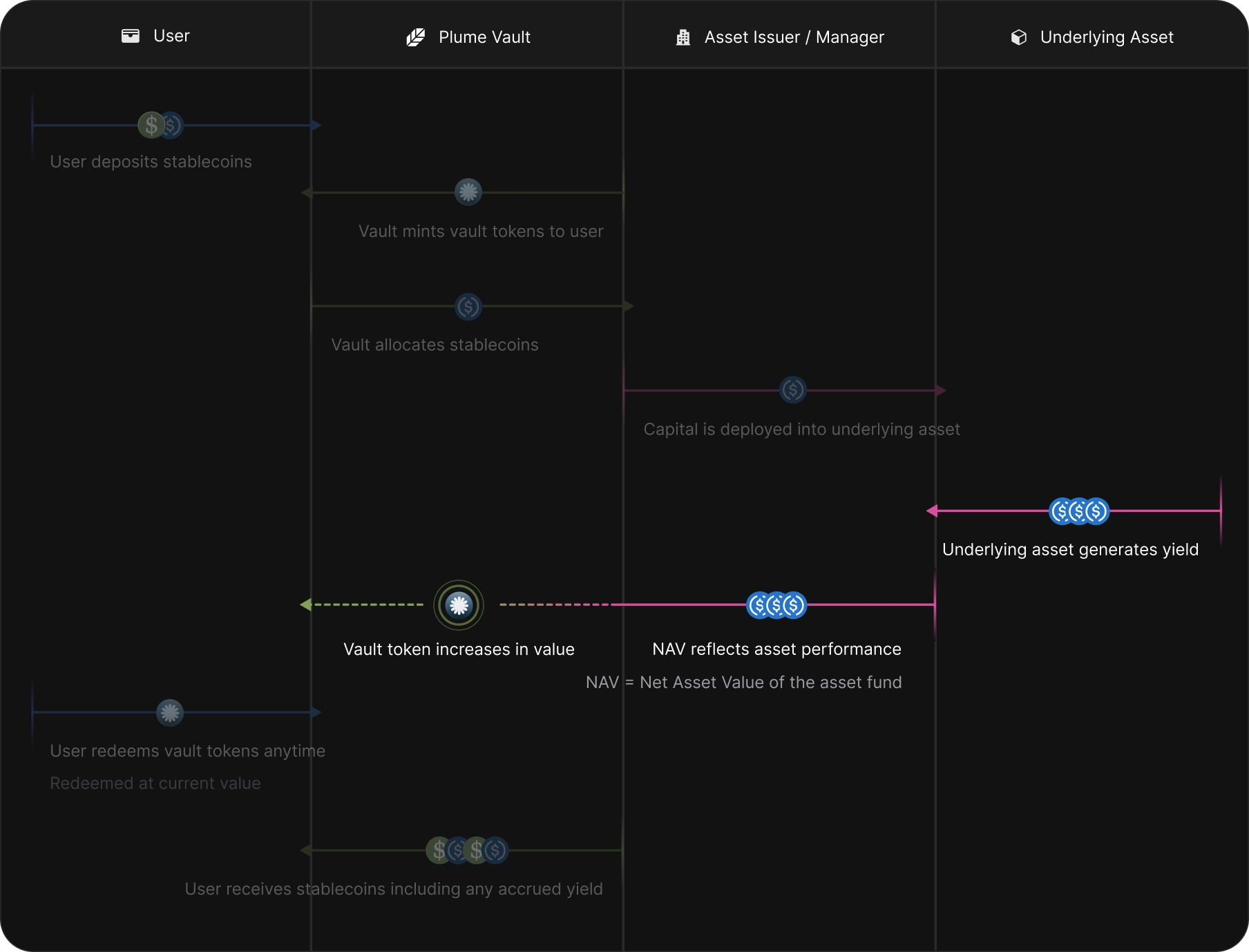
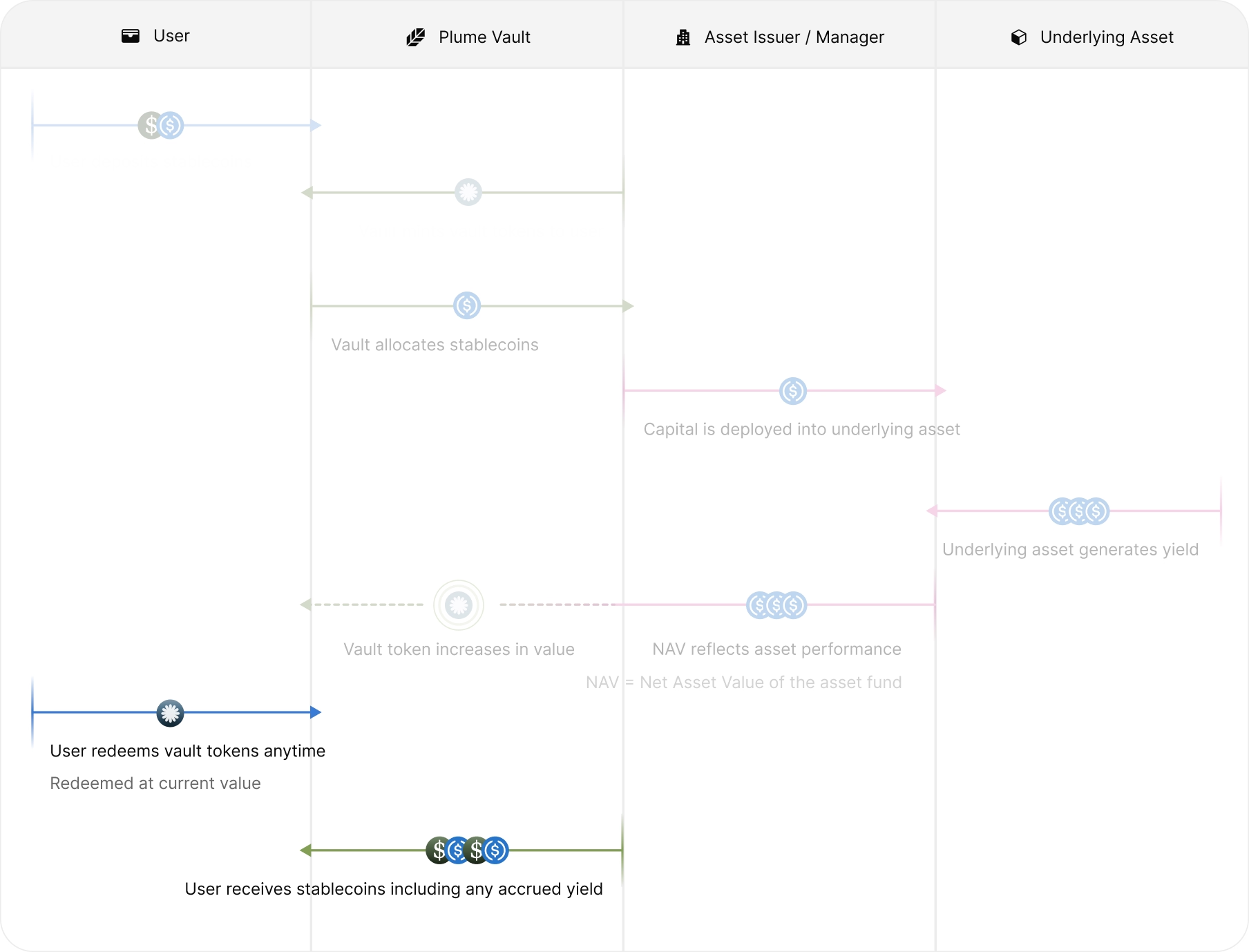
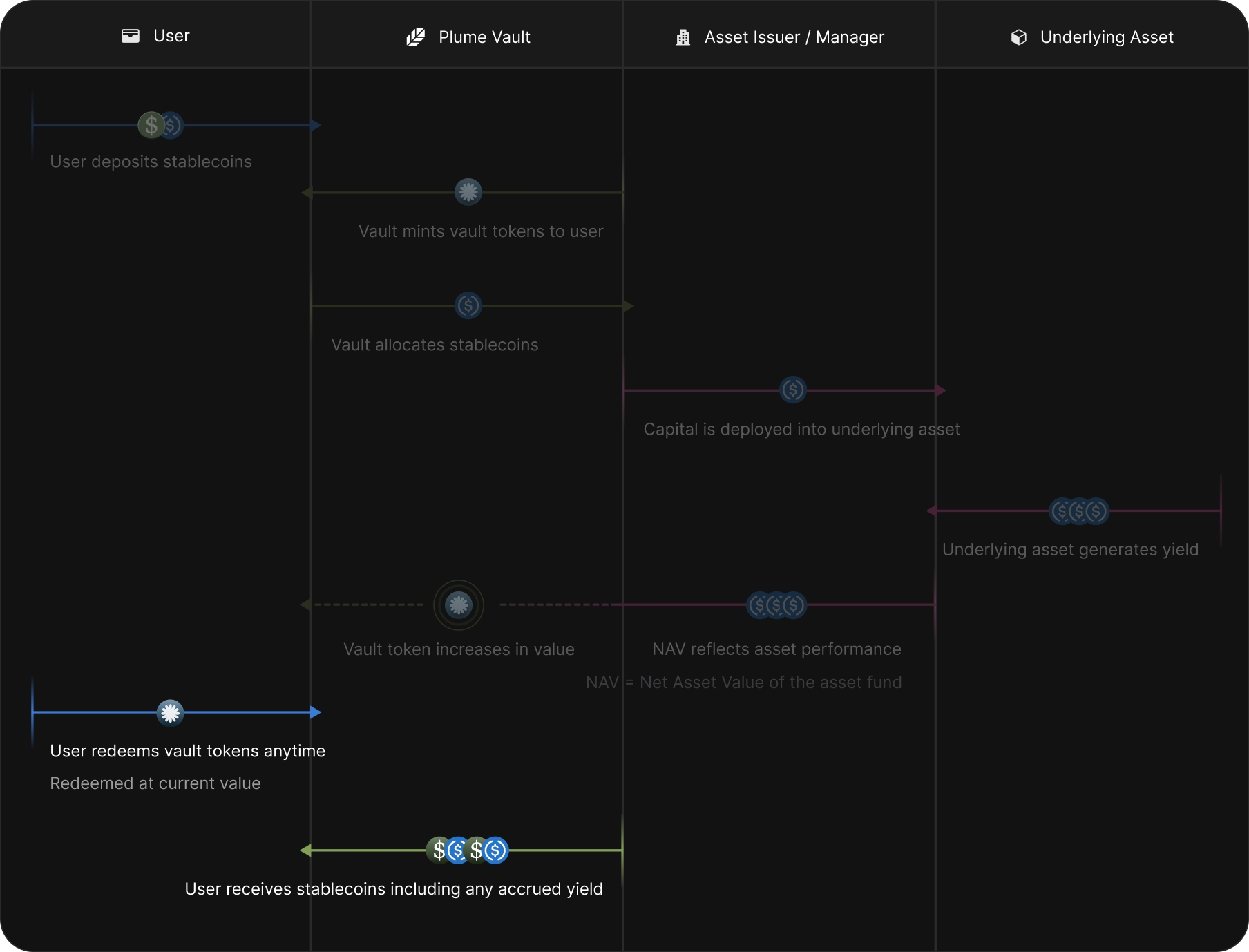
Example flow of funds from deposit to redemption, via vaults, custodians, and managers
Step-by-Step Breakdown
1. Vault mints tokens in exchange for stablecoins
Users receive ERC-20 vault tokens that represent their position and accrue value over time.
2. Vault allocates to assets
Capital is deployed into tokenized assets (e.g., U.S. Treasuries, ETFs).
3. Custodian secures funds
Both assets and cash are held by third-party custodians (e.g., BNY Mellon), never Nest, to generate returns.
4. Manager (e.g., Simplify) deploys capital
Asset managers allocate funds to yield-generating strategies like:
- Short-term U.S. Treasuries
- ETFs, public debt, commodities
5. Tokenization partner returns yield from asset manager
Tokenization partner returns dividends and yield from the asset manager's strategy back into the vault
6. Vault token goes up in value
As yield is distributed back to the vault, the value of vault tokens increases proportionally.
7. User redeems at any time
Users can redeem vault tokens for principal + yield.